

I used to spend three days staring at a drafted email just to ask for money I had already earned. You finish the work, send the PDF, and it just sits there. Unpaid. Instead of following up, you take it personally. You worry about sounding rude to a client who owes you money. The anxiety of chasing late payments honestly feels worse than doing the freelance work itself.
When I started freelancing, I thought the goal was to sound like a real business. I slapped "Net 30" on everything because it felt legitimate. I labeled my first bill "Invoice #1" and instantly regretted it. I even apologized in follow-up emails.
After a while, you realize nobody cares how corporate you sound. They care whether your invoice is easy for accounting to process. Most late payments are not personal attacks. It is usually a missing PO number, a buried email, or a disorganized admin system. You still sit there stressed out anyway.
That eventually forced me to completely change how I invoice clients.
Please Stop Using "Net 30" Just to Sound Legit
I used to put "Net 30" on every invoice because I thought that is what real businesses did. You see bigger agencies using it, so you copy them. It feels professional.
The problem is that Net 30 was never built for solo freelancers.
Big companies can comfortably wait a month for cash flow because they already have reserves. When it is just you, there is no reserve. There is rent. Groceries. Bills. Waiting 30 days for money you already earned gets old fast.
And clients rarely treat Net 30 like an actual deadline anyway.
Most of the time, they see it as permission to delay. Your invoice gets pushed into the next accounting cycle. Suddenly Net 30 quietly becomes Net 45.
I had a $1,200 invoice drag out for 75 days once because the client happened to switch accounting software around day 35. Everything froze internally. Nobody knew where my invoice went. If I had billed them on a shorter timeline, the payment probably would have cleared before the migration even started.
That experience completely changed how I approach freelance payment terms.
Now I use:
- Due on Receipt for smaller projects
- Net 14 for larger clients
- 50% upfront deposits for long projects
I was convinced clients would push back. Nobody did.
One client actually started paying me faster because the shorter due date pushed the invoice into accounting's short-term payment pile instead of the monthly backlog.
Most clients genuinely do not care whether your invoice says Net 14 or Net 30. They care whether the PDF is clear and easy to process.
Thirty days is a long time when freelance work is your actual income.
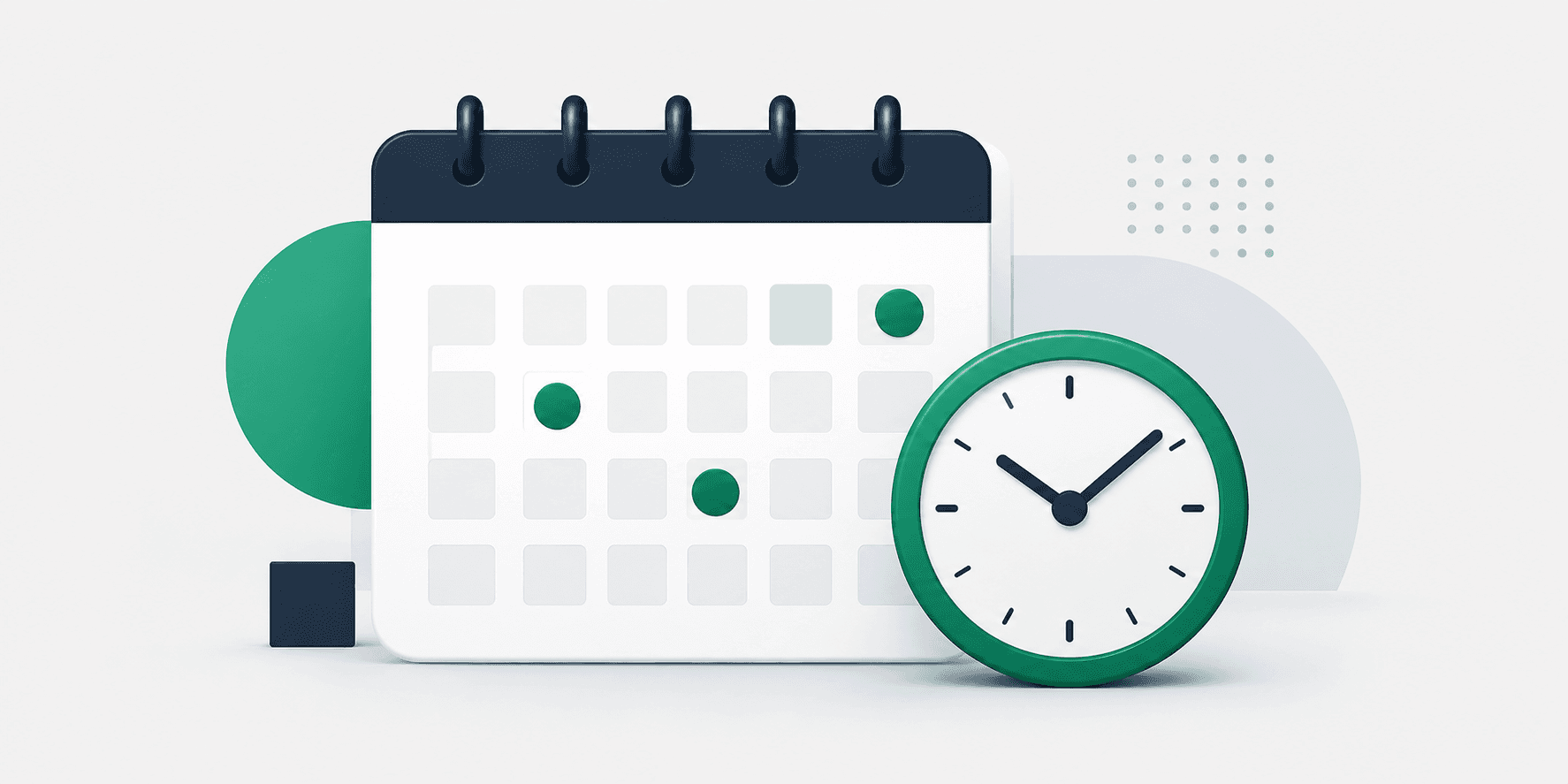
| Project Stage | Required Action | Recommended Timeline |
|---|---|---|
| Upfront Deposit | Invoice for 25% to 50% of project value. | Before starting any project work. |
| Final Invoice | Send PDF invoice with clear, itemized descriptions. | Same day you deliver the final files. |
| First Follow-Up | Send a brief, non-emotional payment reminder. | One day after the invoice due date. |
| Second Follow-Up | Send a second warning and check with billing contact. | 7 days after the invoice due date. |
| Pause Work | Halt all project activity and send formal demand letter. | 14 to 30 days after the invoice due date. |
Stupidly Simple Formatting Tweaks That Get You Paid Faster
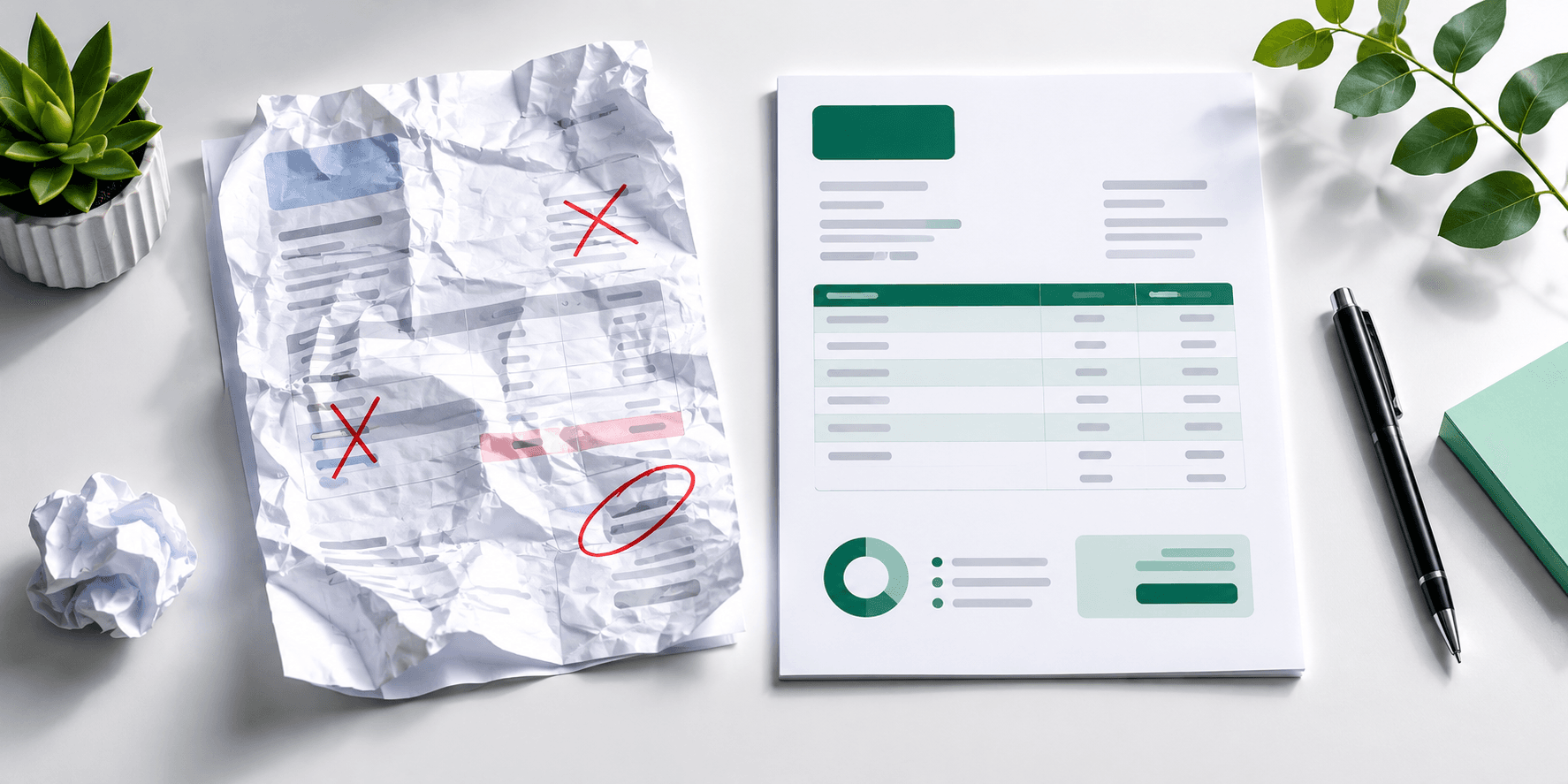
I sent my first invoice labeled "Invoice #1" and immediately regretted it. You spend weeks trying to sound experienced, then instantly make yourself look completely new right in the header.
Ensure your billing workflow uses these standard accounting terms to optimize payment speed:
- Invoice format: A clean, standard PDF structure that contains all necessary billing elements.
- Purchase order (PO) number: The reference code issued by corporate finance departments to approve payments.
- Late fee clause: A contractual penalty applied to unpaid balances after the due date.
- Billing contact: The specific email address or department handling accounts payable.
- Overdue invoice: An unpaid bill that has passed its designated payment terms.
Start at Invoice #014 or something. It sounds ridiculous, but perception matters. This is one of those freelance invoice details most guides skip entirely.
I also wasted time trying fancy invoicing platforms because I thought polished portals looked more professional. Smaller clients mostly ignored them. The notifications looked automated. Sometimes they landed in spam. Sometimes they just got forgotten.
Eventually I went back to the simplest possible system:
- PDF invoice
- attached directly to email
- clean subject line
- no unnecessary design nonsense
That combination consistently worked better.
My subject line format now is always:
Invoice #014 | Your Name | Due June 17
Boring. Extremely effective.
Inside the invoice itself, vague descriptions slow everything down. "Writing services" tells accounting absolutely nothing. It gives them no budget line to match it against, no deliverable to verify, nothing to approve.
Something like:
- Homepage website copy, 1,200 words, delivered June 3
- SEO optimization for 8 product pages
- Pinterest pin design package, 15 graphics
gets approved much faster because nobody has to stop and ask questions. That is what to include in a freelance invoice that actually moves through an approval process.
One of the dumbest mistakes I ever made was forgetting to add payment methods to the invoice. I waited almost 60 days for a payment because the client literally did not know how to send the money.
Another useful trick is the "phantom late fee."
I added a small 1.5% late fee clause at the bottom of my invoices. I have never enforced it once. I honestly do not even know if I would bother calculating it.
But just having it written there changes how clients treat the due date. It creates quiet pressure. Suddenly the invoice feels more official.
Tiny formatting details matter more than most freelancers think.
My Actual Follow-Up Routine
I used to stare at my screen for twenty minutes trying to draft a follow-up email. You start worrying about sounding rude to someone who literally owes you money.
That mindset makes everything worse.
The first thing I changed was figuring out who actually handles payments. Your creative contact usually has nothing to do with accounting. Sending invoices to project managers is often useless.
Now I always ask before sending anything:
- Who handles invoices?
- Which email should billing go to?
- Do you require PO numbers?
- Is there a preferred payment format?
That one change alone reduced delays significantly.
The second rule is simple: send invoices immediately. If you send invoices late, you train clients that deadlines are flexible.
When a payment becomes overdue, I follow up the very next day. Not a week later. Waiting another week usually just delays the payment another week.
My follow-up emails are intentionally cold and short.
Example:
Hi Sarah,
Just checking on invoice #104 due May 12.
Let me know if you need me to resend it.
Thanks
That is the entire email. No apologizing. No "hope your week is going well." No emotional language.
Because honestly, most overdue invoices are not personal. Usually someone forgot about it internally, or accounting needs clarification.
I had one client ignore two overdue invoices in a row. Eventually I stopped working until the balance was paid.
The payment showed up the next day.
Boundaries matter more than long emotional emails ever will.
Understanding late payment laws and prompt pay regulations
Under legislation like the Freelance Isn't Free Act in New York, clients must pay independent contractors by the agreed due date or within 30 days of completing services. If a client fails to pay, these laws provide legal protection, allowing freelancers to recover double damages and attorney fees in court. Referencing these local prompt pay regulations on your invoice can encourage corporate clients to prioritize your payments.
A Few Hard-Learned Lessons on Deposits and Taxes
I used to trust people too quickly.
A client would agree to a project, and I would immediately start working because I wanted to be easy to work with. Then I got burned twice. One project got canceled halfway through. Another slowly expanded into weeks of extra work without additional payment.
That is when I finally made deposits mandatory.
Now every larger project requires:
- 50% upfront deposit
- milestone payments for longer work
- final invoice before delivery
It immediately cuts down scope creep and protects your cash flow.
The tax side of freelancing is another mess entirely.
Sales tax confused me for months because every state handles freelance services differently. Some services are taxable. Some are not. Digital products can have separate rules. Local laws matter.
You eventually realize you cannot ignore it and hope things work themselves out.
The other thing nobody explains early enough is record keeping.
The IRS expects freelancers to keep invoices, contracts, payment confirmations, expense records, and receipts for around seven years.
I used to leave everything scattered across email threads and random folders. Now I keep organized digital folders for every client.
It is boring admin work. Still necessary. You do not want to be searching through old inboxes three years later trying to prove whether somebody paid a $900 invoice.
Evaluating cost-effective payment methods for freelancers
To minimize processing fees, independent contractors use ACH bank transfers instead of credit card processors, which charge transaction fees of 2 to 3 percent. For international clients, wire transfers or specialized cross-border payment platforms provide more favorable exchange rates and lower transfer fees, ensuring you retain a larger portion of your project revenue.
How do you write a freelance invoice?
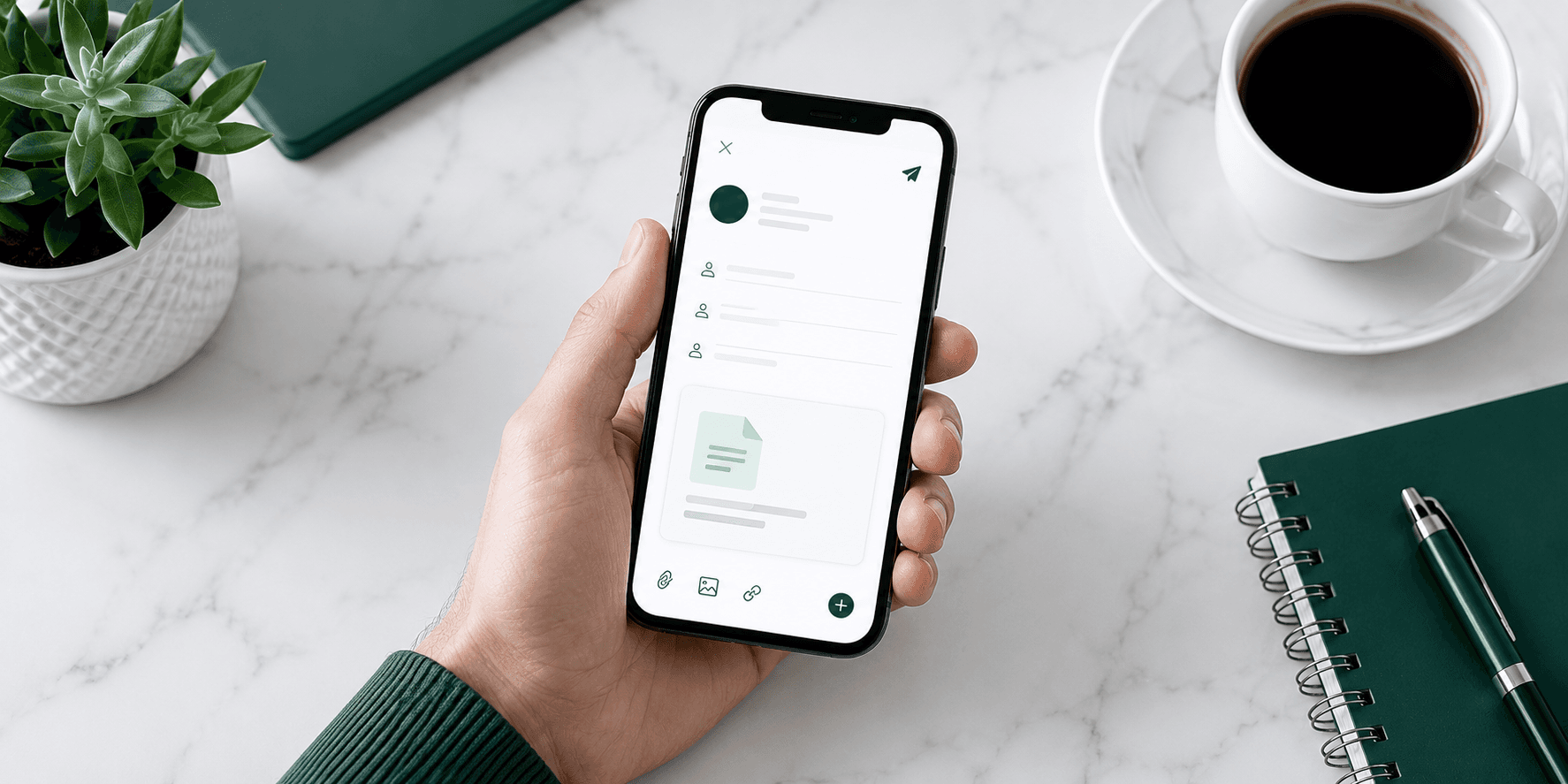
You write a freelance invoice by creating a clear document that lists your contact information, a unique invoice number, itemized services, payment terms, and the total amount due. This file should be exported as a PDF and must include the specific date when payment is due along with your direct payment instructions.
Submitting your invoice promptly helps prevent payment delays and keeps your cash flow consistent. Standardizing your layout and tracking each invoice number ensures that both you and your client maintain organized financial records.