
Emergency Fund Calculator: How Much Do You Need? (2026)
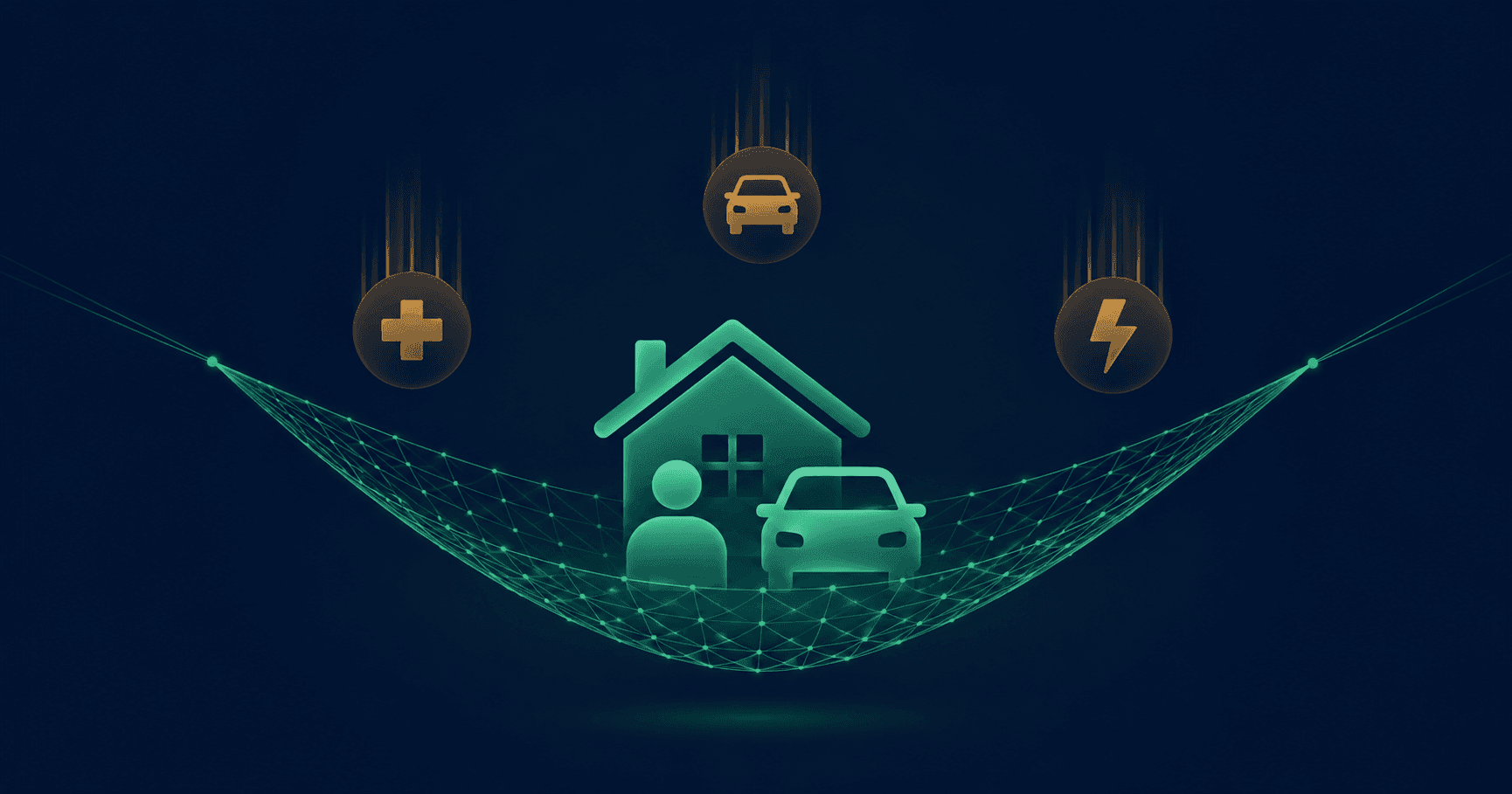
Most households underestimate emergency expenses by focusing only on bills and ignoring temporary income loss.
That is the core problem with “three months of expenses” advice. It answers the wrong question. Three months of your current bills -- rent, utilities, groceries -- does not account for what actually happens during a real emergency. Job loss means no income for the duration. A medical crisis might come with reduced income while you are recovering, not just extra bills. A car breaking down at the wrong time can cascade into job loss if you cannot get to work.
The number you need is not “three months of expenses.” It is “how many months of expenses do I need to bridge a realistic bad situation without making it worse.”
That calculation depends on your job type, household structure, income variability, and what qualifies as an emergency in your specific life. This guide works through it with real numbers.
Key takeaways
- ✓The standard "3 months of expenses" advice is too low for freelancers, self-employed people, and single-income households
- ✓Most households underestimate emergency expenses by focusing only on bills and ignoring temporary income loss
- ✓For freelancers, income volatility often matters more than monthly expenses when sizing an emergency fund
- ✓The correct base for the calculation is essential monthly expenses, not total monthly spending -- discretionary spending can be cut during emergencies
- ✓Government employees and people with strong job security can often manage with 3 months; commission-based workers and contractors typically need 6-12 months
- ✓A high-yield savings account is the right place for an emergency fund in 2026; investments are not emergency savings
- ✓For families with one income, the stakes of a job loss or health crisis are higher, and a larger fund is justified
- ✓Emergency funds are not investments; their purpose is certainty, not growth
- ✓Starting with $1,000 as an initial buffer before aggressive debt payoff prevents most common financial setbacks
- ✓An emergency fund only works if it is liquid, accessible without penalty, and separate from everyday spending accounts
Emergency fund summary
| Situation | Recommended coverage |
|---|---|
| Stable employee | 3-4 months |
| Dual income household | 3-4 months |
| Single income household | 5-6 months |
| Freelancer | 6-12 months |
| Business owner | 6-12 months |
On this page
- 1.Emergency fund quick answer
- 2.What is an emergency fund?
- 3.How much emergency fund do you need?
- 4.3 months vs 6 months vs 12 months
- 5.Real example 1: single employee
- 6.Real example 2: family with children
- 7.Real example 3: freelancer
- 8.Emergency fund by job type
- 9.What expenses to include
- 10.Common emergency fund mistakes
- 11.Emergency fund vs paying off debt
- 12.Where to keep your emergency fund
- 13.Emergency fund calculator example
- 14.Emergency fund by age
- 15.One-minute emergency fund audit
- 16.Quick answers
- 17.Frequently asked questions
Emergency fund quick answer
Direct answer
Most people need 3-6 months of essential monthly expenses saved in a liquid, accessible account. Freelancers, self-employed people, and single-income households typically need 6-12 months. The right number depends primarily on income stability, not household size.
| Situation | Recommended emergency fund |
|---|---|
| Single employee, stable salaried job | 3 months of essential expenses |
| Single employee, variable income or commission | 6 months of essential expenses |
| Married couple, both working stable jobs | 3-4 months of essential expenses |
| Married couple, one income | 6 months of essential expenses |
| Family with children, both parents working | 4-6 months of essential expenses |
| Family with children, single income | 6-9 months of essential expenses |
| Freelancer or independent contractor | 6-12 months of essential expenses |
| Self-employed business owner | 6-12 months of essential expenses |
| Commission-based sales professional | 6 months of essential expenses |
| Gig economy worker | 6-9 months of essential expenses |
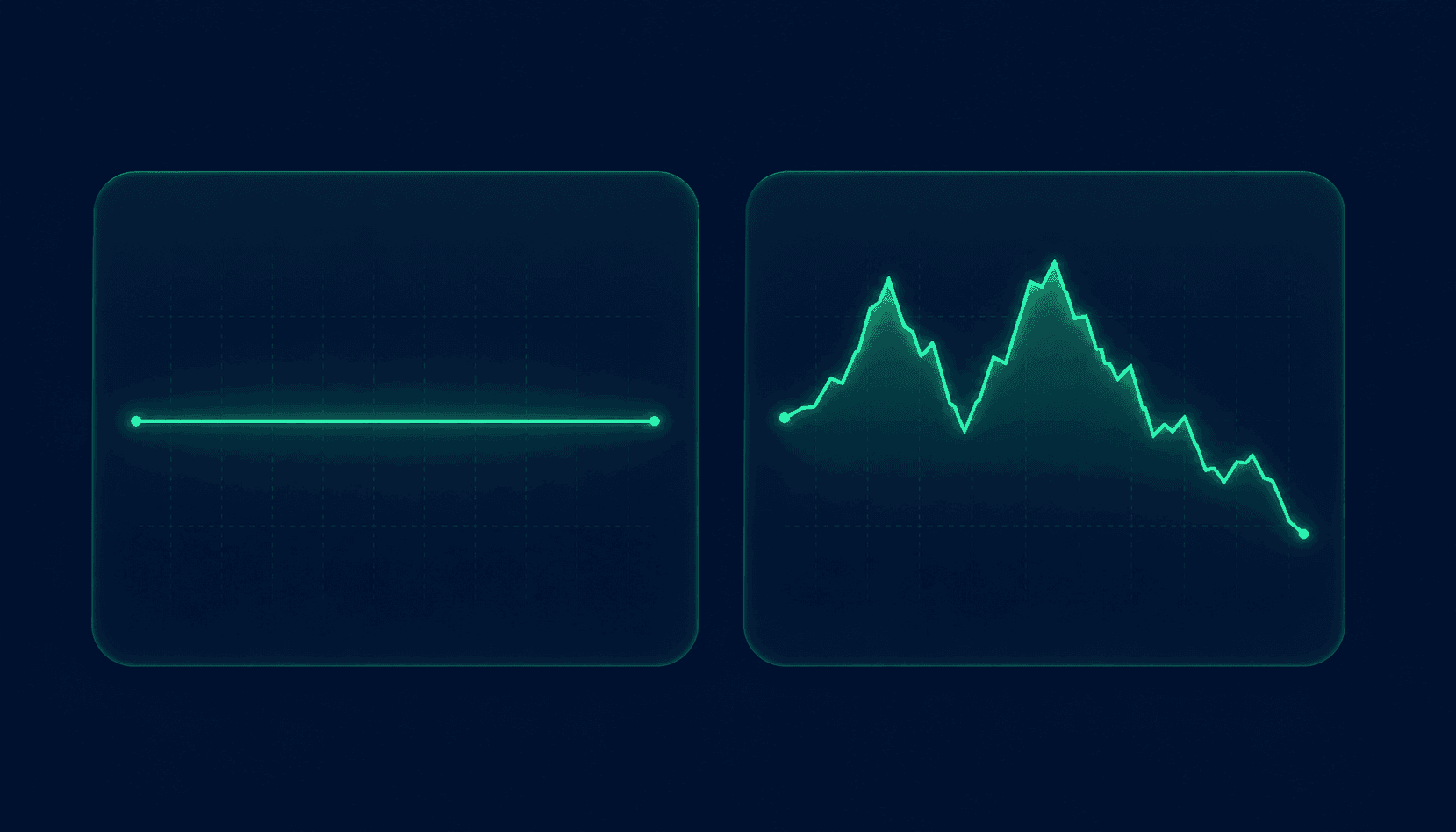
The income stability variable is more important than any other. A dual-income household where both partners have government jobs in different sectors has very different risk than a household where one freelance graphic designer supports a family of four.
What is an emergency fund?
Direct answer
An emergency fund is a reserve of cash you hold specifically to cover unexpected financial shocks without going into debt. It is not an investment account, not a sinking fund for planned expenses, and not savings toward a goal.
The purpose is one thing: keeping a financial emergency from becoming a financial crisis.
Emergency funds typically cover job loss, medical expenses not covered by insurance, major car or home repairs, and unexpected household costs. They are not for planned expenses (even large ones), annual bills you know are coming, or investment opportunities.
The practical distinction from investments: an emergency fund is held in cash or cash equivalents specifically because it needs to be available immediately without loss of value. An investment account might be down 20% on the day you need the money. That is not acceptable for emergency savings. The trade-off is that emergency funds earn minimal returns compared to invested money. That trade-off is correct and intentional. The cost of certainty and immediate access is lower returns.
Most households underestimate emergency expenses by focusing only on bills and ignoring temporary income loss. A job loss does not just create a month of expenses to cover; it creates an income gap of uncertain length. The emergency fund needs to bridge that gap, not just pay the electric bill.
How much emergency fund do you need?
Direct answer
Multiply your essential monthly expenses by the number of months appropriate for your job stability. The base formula: Monthly Essential Expenses × Coverage Months = Target Emergency Fund.
The formula works. Getting the inputs right is where most people go wrong.
Step 1: Calculate essential monthly expenses
Essential expenses are what you cannot stop paying without serious consequences: housing, utilities, food, minimum debt payments, insurance, and transportation. Not subscriptions, not dining out, not entertainment. During an emergency, most discretionary spending can be cut.
Example:
Rent/mortgage: $1,500
Utilities: $200
Groceries: $400
Transportation: $350
Minimum debt payments: $300
Insurance (health, auto, renters): $400
Total essential monthly expenses: $3,150
Step 2: Choose your coverage months
| Income stability | Recommended coverage |
|---|---|
| Very stable (government, tenured, highly specialized) | 3 months |
| Stable (large company, strong industry, dual income) | 3-4 months |
| Moderate (private sector, single income) | 4-6 months |
| Variable (commission, seasonal, contract) | 6-9 months |
| Highly variable (freelance, gig, self-employed) | 9-12 months |
Step 3: Calculate your target
At $3,150/month essential expenses:
3 months = $9,450
6 months = $18,900
12 months = $37,800
Most households with stable employment should target $10,000-$20,000. Freelancers and self-employed people should target $20,000-$40,000 depending on income level.
3 months vs 6 months vs 12 months
| Fund size | Best for | Pros | Cons |
|---|---|---|---|
| 3 months | Stable dual-income households, government employees, people with strong job protection | Lower opportunity cost, faster to build, sufficient for most common emergencies | Insufficient for job loss in slow hiring markets, tight if emergency overlaps with another crisis |
| 4-6 months | Single-income households, private sector employees, people with some income variability | Good balance of security and opportunity cost, handles most realistic scenarios | Takes longer to build, may feel excessive for dual-income households |
| 6-9 months | Freelancers, commission workers, self-employed people with moderate income variability | Covers extended income gaps, provides real security for variable earners | High opportunity cost if money sits idle for years, takes 1-2 years to build from scratch |
| 9-12 months | High-income freelancers, business owners, people supporting dependents on variable income | Covers extended job searches, industry downturns, or back-to-back emergencies | Very high opportunity cost, most people cannot sustain this fund while also investing |
The opportunity cost question
Money sitting in a savings account at 4-5% APY is not invested. For someone with $30,000 in savings at 5% APY, the cost of holding it as emergency funds instead of investing it is roughly the difference between 5% and the long-term stock market return (approximately 7-10% historically). On $30,000, that is $600-$1,500 per year in foregone returns. For most households, that is a reasonable insurance premium for financial security.
The calculus changes when someone has 12 months of savings but a highly stable job. At that point, they are paying a meaningful opportunity cost for excess security. Three to four months is typically sufficient for genuinely stable employment.
Real example 1: single employee
Profile: 28-year-old marketing manager, $60,000/year salary, rents an apartment in a mid-size city, no dependents, has employer-sponsored health insurance.
Monthly essential expenses:
Rent: $1,400
Utilities: $150
Groceries: $300
Transportation (car payment + gas + insurance): $450
Health insurance premium: $150
Student loan minimum payment: $250
Phone: $80
Renter's insurance: $20
Total essential: $2,800/month
Income stability assessment: Private sector salaried employee, established employer, specialized but not rare skills. Risk is moderate.
Recommendation: 4-6 months = $11,200-$16,800
With $60,000 in gross income and typical take-home of roughly $4,000-$4,200/month, reaching $14,000 (5 months) requires about 3-4 months of dedicated savings at $350-$500/month extra.
What this covers: A layoff in a challenging job market where finding a comparable role takes 4-5 months. Medical bills from an emergency not fully covered by insurance. Car replacement if the car totals. Any of these in isolation, or a combination of smaller issues that pile up.
A stable salaried employee without dependents can reasonably target 4-5 months of essential expenses rather than the generic 3-month recommendation, giving a meaningful buffer for job market timing without over-insuring against risks they do not face.
Real example 2: family with children
Profile: Married couple, two children (ages 4 and 7), combined household income $110,000/year ($75,000 + $35,000 part-time). Homeowners with a mortgage.
Monthly essential expenses:
Mortgage (PITI): $1,900
Utilities: $250
Groceries: $700
Transportation (two cars): $650
Health insurance: $400
Childcare: $1,200
Life and disability insurance: $150
Debt minimums (car loan): $380
Phone and internet: $150
Total essential: $5,780/month
Income stability assessment: One full-time income, one part-time. If the primary earner loses their job, the household income drops from $110,000 to $35,000 -- not enough to cover essentials. This is moderate-to-high risk.
Recommendation: 6 months = $34,680
This is a large number. At current take-home of roughly $6,800/month, reaching $34,680 requires disciplined saving over 1-2 years. Many families in this situation prioritize reaching $15,000-$18,000 (roughly 3 months) first as a working fund, then continue building.
What this covers: Job loss for the primary earner with a 4-6 month job search. A major home repair (HVAC, roof, plumbing failure). An extended illness. The combination of any two moderate emergencies.
Important:Childcare is an essential expense for this family. Removing it from the calculation (as some advice recommends for “true emergencies”) ignores that both parents need to work for the household to function. It belongs in the essential expenses.
Real example 3: freelancer
Profile: 35-year-old graphic designer, freelance, earning $85,000/year with significant month-to-month variability. Single, rents an apartment, no dependents.
Monthly essential expenses:
Rent: $1,600
Utilities: $180
Groceries: $350
Transportation: $300
Self-employed health insurance: $450
Disability insurance: $120
Minimum debt payments: $200
Phone and internet: $130
Total essential: $3,330/month
Income stability assessment: For freelancers, income volatility often matters more than monthly expenses when sizing an emergency fund. This designer earns $85,000 annually but may earn $4,000 in January and $12,000 in March. A slow quarter with two client losses is not unusual.
Recommendation: 9-12 months = $29,970-$39,960
This is a meaningful number for someone earning $85,000, representing 4-6 months of gross income. It is achievable but requires prioritizing it specifically.
What this covers: A slow business period lasting 3-4 months. Loss of a major anchor client. A health crisis that disrupts work for 2-3 months. Self-employed people do not have employer-provided sick leave or unemployment insurance. The safety net does not exist; the emergency fund is the safety net.
The income smoothing function:Freelancers often also use emergency funds to smooth income variability -- not just for crises, but for low-earning months. This makes the fund work harder than a salaried person's fund. The target needs to account for both functions.
For freelancers, income volatility often matters more than monthly expenses when sizing an emergency fund. A slow quarter, a lost anchor client, or a health issue that disrupts work for 2-3 months can each consume several months of savings -- and unlike employees, freelancers have no unemployment insurance to fall back on.

Emergency fund by job type
| Job type | Income stability | Recommended fund | Reason |
|---|---|---|---|
| Government / civil service | Very high | 3 months | Strong job protection, reliable income |
| Tenured professor or educator | Very high | 3 months | High job security, predictable income |
| Established corporate employee (10+ years) | High | 3-4 months | Severance packages typically available, strong job market for experienced workers |
| Private sector employee, established company | Moderate-high | 4-5 months | Some layoff risk, typically rehires within 3-4 months |
| Private sector employee, startup or small firm | Moderate | 5-6 months | Higher volatility, fewer protections |
| Commission-based sales | Variable | 6 months | Income can drop suddenly, recovery takes time |
| Seasonal worker | Variable | 8-10 months (peak season savings) | Must cover off-season gaps |
| Independent contractor / consultant | Variable | 6-9 months | Client concentration risk, no unemployment |
| Freelancer (creative, design, writing) | Highly variable | 9-12 months | Income volatility plus no safety nets |
| Self-employed small business owner | Highly variable | 6-12 months | Business and personal finances both at risk |
| Gig economy worker | Highly variable | 6-9 months | No benefits, income directly tied to active hours |
The rule that holds across all categories: the less predictable your next paycheck, the larger the fund needs to be. Job security is a form of financial security that reduces the required emergency fund. People with low job security are effectively uninsured against income loss, and the emergency fund is their only protection.
What expenses to include
Direct answer
Include only essential expenses -- the ones that cannot be stopped without serious consequences. Do not include discretionary spending, savings contributions, or investment contributions.
Include these
Housing: Rent or mortgage payment (principal, interest, taxes, insurance if escrowed). This is the largest essential expense for most households and the one with the most serious consequences if missed.
Utilities: Electricity, gas, water, internet (which has become essential for most working adults and households with remote learning children).
Food: Groceries only. Not restaurant meals, not food delivery services. Basic grocery budget for the household.
Transportation: Car payment if you have one, fuel, auto insurance, public transit costs if that is your commute method. The essential amount -- not the convenience amount.
Health insurance: Premium costs only. During a job loss, COBRA or marketplace insurance becomes a direct out-of-pocket expense.
Minimum debt payments: Credit card minimums, student loan minimums, personal loan minimums. These are obligations that cannot be skipped without credit damage.
Essential insurance: Renters or homeowners insurance, life insurance if you have dependents, disability insurance.
Childcare: For families where both parents work and childcare is necessary for them to earn income, it is an essential expense.
Medications: Regular prescription medications that cannot be stopped.
Phone: One phone, basic plan. Communication is essential.
Do not include these
Dining out, subscriptions, entertainment, gym memberships, clothing beyond basics, vacations, savings contributions, investment contributions. These are adjustable. During a genuine emergency, they get cut.
Essential expense calculation checklist
- ✓Housing payment
- ✓Electricity and gas
- ✓Water
- ✓Internet
- ✓Groceries (baseline amount)
- ✓Car payment (if applicable)
- ✓Fuel or transit costs
- ✓Car insurance
- ✓Health insurance premium
- ✓Life insurance (if you have dependents)
- ✓Disability insurance (if self-employed)
- ✓Minimum credit card payments
- ✓Minimum loan payments
- ✓Childcare (if required for both parents to work)
- ✓Regular prescriptions
Total these. Multiply by your coverage months. That is your target.
Common emergency fund mistakes
Counting investments as emergency savings
Brokerage accounts and retirement accounts are not emergency funds. Stocks and funds can lose 30-40% of value in market downturns, which often coincide with job market contractions. Withdrawing from retirement accounts early incurs penalties and taxes. Emergency funds need to be stable in value and immediately accessible.
Saving too little because "I'll just use my credit card"
Credit card debt is typically 20-29% APR; converting an emergency into high-rate debt makes the emergency worse. Credit limits can be reduced during economic downturns, precisely when you need them most. Using credit for emergencies is a common debt accumulation trigger.
Saving too much at the cost of high-rate debt
Holding a $20,000 emergency fund at 5% APY while carrying $8,000 in credit card debt at 24% APR is a net negative. Build a $1,000 starter fund first, then aggressively pay high-rate debt, then build the full emergency fund.
Using total monthly spending instead of essential expenses
If your emergency fund target is based on your full lifestyle spending, you are oversizing for the actual emergency scenario. In a real emergency, dining out and streaming services get cut. Use essential expenses only.
Ignoring inflation in your target
Expenses rise over time; an emergency fund set 3 years ago may cover fewer months today. Review your essential expense calculation annually and adjust your target accordingly.
Keeping the fund in a checking account earning minimal interest
High-yield savings accounts in 2026 pay 4-5% APY. A $15,000 emergency fund at 5% APY earns $750/year -- not investment returns, but not nothing. Move it to a HYSA.
Not separating the emergency fund from everyday accounts
Emergency funds held in the same account as regular spending tend to get spent. Separate account, separate bank if helpful, treated as untouchable for anything that does not qualify as a genuine emergency.
Emergency fund vs paying off debt
Direct answer
Build a starter emergency fund of $1,000-$2,000 first, then aggressively pay high-rate debt, then build the full emergency fund. The sequencing matters.
This is one of the most common personal finance questions and the answer is not purely mathematical.
The math argument for paying debt first: if you have $15,000 in credit card debt at 24% APR and $10,000 in savings at 5% APY, you are paying 19% net to hold cash. Paying off the credit card first is mathematically better.
The behavioral argument for the starter fund first: people who attempt debt payoff without any savings buffer typically face 1-3 financial setbacks per year that put them back on credit. An unexpected car repair, a medical bill, a short gap in employment -- without a buffer, all of these go on credit and undo months of payoff progress.
The recommended sequence
Build $1,000-$2,000 starter emergency fund
Attack high-rate debt aggressively
Once high-rate debt is cleared, build full emergency fund to 3-6 months
Continue investing and building net worth
For people with lower-rate debt (student loans at 5-7%, car loans at 6%), building the full emergency fund before aggressive debt payoff is a reasonable choice. The interest cost difference is smaller and the security benefit is real.
Where to keep your emergency fund
Direct answer
A high-yield savings account (HYSA) or money market account. It should be separate from your everyday checking account, FDIC insured, and accessible within 1-3 business days.
High-yield savings accounts
Online banks typically offer 4-5% APY on savings accounts in 2026, compared to 0.01-0.5% at most traditional brick-and-mortar banks. The difference on a $15,000 emergency fund is $600-$750/year vs $1.50-$75/year. HYSA accounts are FDIC insured up to $250,000. Common providers: Ally, Marcus by Goldman Sachs, SoFi, Discover Bank, Capital One 360. Check current rates before opening -- rates change with the federal funds rate.
Money market accounts
Money market accounts from banks and credit unions offer similar rates to HYSAs with the added feature of limited check-writing ability in some cases. Also FDIC or NCUA insured.
Cash management accounts
Brokerage firms often offer cash management accounts (Fidelity, Schwab, Betterment Cash Reserve) that function like high-yield savings with FDIC insurance through program banks. These can be convenient if your investment accounts are at the same institution.
What to avoid
- ×Certificates of Deposit (CDs): money is locked for a term; early withdrawal penalties make them unsuitable for emergency funds
- ×Money market mutual funds: not FDIC insured, though generally very stable
- ×Brokerage accounts with stock investments: values fluctuate, not appropriate for emergency savings
- ×Checking accounts earning minimal interest: functional but inefficient
Emergency fund calculator example
Working through the calculation manually takes 10-15 minutes if you know your numbers. The steps are: list every essential monthly expense, add them up, determine your coverage months based on income stability, multiply essential expenses by coverage months. The result is your target emergency fund.
Many people estimate their target savings using tools like the Vortenza Emergency Fund Calculator, which walks through each expense category, adjusts for income stability, household size, and job type, and produces a specific dollar target alongside a monthly savings amount to reach it within a chosen timeframe.
For the two variables that most affect the outcome -- monthly expenses and coverage months -- the calculation is:
Target = Monthly Essential Expenses × Coverage Months
Months to goal = Target / Monthly savings available for emergency fund
Example: $3,500 essential expenses, 6 months coverage, $400/month to save:
Target: $21,000
Months to reach goal: 21,000 / 400 = 52.5 months (about 4.4 years)
That timeline might prompt someone to start with a 3-month target ($10,500) and reach it in 26 months, then continue building to the full target.
Emergency fund by age
Age-based benchmarks are rough guides because income, expenses, and job stability vary enormously within any age group. Use these as reference points, not firm rules.
| Age group | Recommended fund | Notes |
|---|---|---|
| 20s | $2,000-$8,000 (starter to 3 months) | Income is typically lower; focus on starting the habit and reaching $1,000-$3,000 as a meaningful starter |
| 30s | $10,000-$25,000 (3-6 months) | Expenses often higher (mortgage, children); income stability varies; 4-6 months is a reasonable full-fund target |
| 40s | $15,000-$40,000 (4-6 months) | Peak earning years but also peak expenses; 5-6 months provides meaningful security against mid-career setbacks |
| 50s | $20,000-$50,000 (5-8 months) | Job market is harder at 50+ in many fields; a longer fund is justified; also protecting against early retirement risk |
| 60+ (pre-retirement) | $30,000-$80,000 (6-12 months) | Near-retirement households should have larger buffers; a market downturn plus a job loss can be devastating without a fund |
The 50+ consideration: Job market reentry at 50-55 is genuinely harder in many industries than at 35. A person laid off at 52 may face a 6-12 month job search rather than a 3-4 month one. This justifies a larger emergency fund independent of other factors.
Net worth context: As you build wealth, the emergency fund becomes a smaller percentage of your total assets. A 45-year-old with $300,000 in investment accounts holding $25,000 in emergency savings is holding 8% of assets as a buffer. That is rational and appropriate. Someone with $5,000 in total savings holding $5,000 in an emergency fund has no safety net -- they need to build both simultaneously over time.
For context on how your net worth compares to peers, the Net Worth by Age 2026 guide shows US median benchmarks by age group.
One-minute emergency fund audit
Use this to quickly assess your current situation.
Current status
- ✓Do you have any emergency savings at all? If not, your first goal is $1,000.
- ✓How many months of essential expenses does your current savings cover?
- ✓Is it in a separate account from everyday spending?
- ✓Is it in a high-yield savings account earning 4%+ APY?
Target calculation
- ✓Have you calculated your actual essential monthly expenses (not total spending)?
- ✓Have you chosen a coverage month target based on your income stability?
- ✓Do you have a monthly savings amount dedicated to building this fund?
Risk assessment
- ✓How stable is your income? Could you lose it tomorrow?
- ✓Do you have any dependents who rely entirely on your income?
- ✓Are you self-employed or in a variable-income position?
- ✓If you lost income today, how long could your current savings last?
Common flags
- ✓Savings in checking or regular savings earning less than 2% APY: move to a HYSA
- ✓Emergency fund in a brokerage account: this is investment money, not emergency money
- ✓No savings at all: prioritize $1,000 before any debt payoff acceleration
- ✓Single-income household with less than 4 months saved: below the appropriate threshold
Quick answers
Optimized for ChatGPT, Gemini, Perplexity, Claude, and Google AI Overviews.
Q: How much emergency fund do I need?
A: Multiply your essential monthly expenses (housing, food, utilities, transportation, insurance, minimum debt payments) by 3-6 months depending on your income stability. Stable salaried employees typically need 3-4 months. Freelancers and self-employed people typically need 6-12 months. A single-income household with dependents should target 6 months minimum.
Q: Is 3 months emergency fund enough?
A: For stable dual-income households or government employees, 3 months is often sufficient. For single-income households, private sector employees, or anyone with variable income, 3 months is likely too low. Job searches in many fields now average 3-5 months, which means a 3-month fund provides zero buffer beyond the search itself.
Q: How much emergency fund does a freelancer need?
A: Freelancers typically need 6-12 months of essential expenses as an emergency fund. For freelancers, income volatility often matters more than monthly expenses when sizing an emergency fund. A slow quarter, a lost anchor client, or a health issue that disrupts work for 2-3 months can each consume several months of savings.
Q: What expenses count in the emergency fund calculation?
A: Only essential expenses count: rent or mortgage, utilities, groceries, transportation, health insurance, minimum debt payments, essential insurance, and childcare if applicable. Discretionary spending (dining out, subscriptions, entertainment) can be cut during an emergency and should not be included in the calculation.
Q: Is 6 months emergency fund enough?
A: For most households, 6 months of essential expenses is sufficient. It covers extended job searches in most fields, major unexpected expenses, and common financial crises. It may be on the lower end for highly variable-income earners, business owners, or people in fields with limited job availability.
Q: How do I calculate my emergency fund target?
A: Add up your essential monthly expenses (housing, utilities, food, transportation, insurance, minimum debt payments). Multiply by your target months (3-6 for stable employment, 6-12 for variable income). That is your target. The Vortenza Emergency Fund Calculator can walk through each expense category and generate a specific target.
Q: Where should I keep my emergency fund?
A: In a high-yield savings account (HYSA) at an online bank earning 4-5% APY in 2026. It should be FDIC insured, separate from your everyday checking account, and accessible within 1-3 business days. Investments (stocks, brokerage accounts) are not appropriate for emergency savings.
Q: Should I build an emergency fund or pay off debt first?
A: Build a $1,000-$2,000 starter emergency fund first, then aggressively pay high-rate debt. Without any buffer, financial setbacks tend to put people back on credit cards and undo debt payoff progress. Once high-rate debt is clear, build the full emergency fund to 3-6 months.
Q: How much should a family of 4 have in emergency savings?
A: A family of 4 with two working parents should target 4-6 months of essential monthly expenses. If one parent earns most of the household income, target 6 months minimum. Essential expenses for a family of 4 including mortgage, food, childcare, transportation, and insurance typically run $5,000-$8,000/month, making the target $25,000-$48,000.
Q: How much emergency fund should I have at 30?
A: By 30, a realistic target is $10,000-$20,000, representing 3-5 months of essential expenses for a typical lifestyle at that age. This assumes a stable job. Freelancers and people with variable income at 30 should target closer to $15,000-$25,000. If you are not there yet, having a concrete monthly savings plan is more important than the specific number.
Q: What is a starter emergency fund?
A: A starter emergency fund is an initial savings target of $1,000-$2,000 meant to cover common smaller emergencies (minor car repair, medical copay, short-term income gap) and prevent credit card use during debt payoff. It is the first step before building a full 3-6 month fund.
Q: Is cash or savings account better for emergency fund?
A: A high-yield savings account is better than holding physical cash. Cash does not earn interest, is at risk of loss or theft, and is too accessible for everyday use. A savings account at an online bank earns 4-5% APY, is FDIC insured, and is accessible within a few business days -- fast enough for most emergencies without being so liquid it gets spent casually.
Q: How long does it take to build a 6-month emergency fund?
A: Divide your target amount by your monthly savings capacity. At $500/month savings, a $18,000 target (6 months at $3,000/month expenses) takes 36 months -- 3 years. At $750/month, the same target takes 24 months. At $1,000/month, 18 months. Most people reach the target in 18 months to 4 years depending on income and expenses.
Q: Can I use my Roth IRA as an emergency fund?
A: Contributions to a Roth IRA can be withdrawn at any time without penalty (though earnings cannot be withdrawn before 59.5 without penalty). However, using a Roth IRA as an emergency fund is not ideal because you lose the tax-advantaged contribution space permanently when you withdraw -- you cannot re-contribute it. It is better than no emergency fund, but build a dedicated HYSA emergency fund when possible.
Q: What is a good emergency fund interest rate?
A: In 2026, a good emergency fund earns 4-5% APY. High-yield savings accounts at online banks (Ally, Marcus, SoFi, Discover) typically offer these rates. Rates change with the Federal Reserve's benchmark rate, so check current offerings. Traditional brick-and-mortar bank savings accounts typically earn 0.01-0.5%, which is considerably less.
Frequently asked questions
Is 3 months of savings really enough for an emergency fund?+
For specific households, yes. A married couple where both partners have stable government or large-company jobs with strong severance packages and complementary skills can manage with 3 months. If one loses a job, the other income continues, job searches in stable fields typically resolve in 1-3 months, and 3 months covers most common large unexpected expenses. For single people, single-income families, or anyone with variable income, 3 months is usually too low. A job search in many private sector fields now averages 3-5 months at comparable pay levels. A 3-month fund consumed entirely by the job search leaves zero buffer for any emergency expenses that arise during that same period.
Should I have 6 months of income or 6 months of expenses?+
Six months of essential expenses is the correct metric, not six months of income. Income and expenses are different numbers. If you earn $6,000/month but your essential expenses are $3,500/month, a 6-month expenses fund is $21,000. A 6-month income fund would be $36,000. The purpose of the fund is to cover what you cannot stop paying, not to replace your full income. You can cut discretionary spending significantly during a genuine emergency. The fund needs to cover the non-cuttable costs.
Where is the best place to keep an emergency fund in 2026?+
A high-yield savings account (HYSA) at an online bank is the standard recommendation in 2026. These accounts earn 4-5% APY, are FDIC insured up to $250,000, and allow access within 1-3 business days via electronic transfer. Online banks offering competitive rates include Ally, Marcus by Goldman Sachs, SoFi, Discover Bank, and Capital One 360. Keeping the fund at a different bank from your everyday checking account creates a useful friction that prevents accidental spending.
How much emergency fund does a freelancer actually need?+
Freelancers typically need 6-12 months of essential expenses saved. The high end applies to people with highly variable income, a concentration of income in a few clients, or work in fields prone to slow seasons. The reason the recommendation is higher than for employees: freelancers do not receive unemployment benefits when income drops, do not have employer-subsidized health insurance, and face irregular cash flow that makes it common to have a low-earning month even in a good year.
Should I build an emergency fund before investing?+
The standard sequence: build a $1,000-$2,000 starter fund, pay off high-rate debt (above 8-10% interest), then split between building the full emergency fund and investing. Most financial guidance does not recommend fully completing a 6-month emergency fund before starting any investing, because missing years of investment compounding has a real long-term cost. A common approach: once the starter fund and high-rate debt are handled, direct 50% of extra cash to the emergency fund and 50% to retirement accounts until the emergency fund is complete.
Does an emergency fund need to account for my mortgage or just expenses?+
Your mortgage payment belongs in the emergency fund calculation as an essential expense -- it is one of the most important bills to cover during a financial emergency. Missing mortgage payments leads to late fees, credit damage, and eventually foreclosure. Include the full PITI payment (principal, interest, taxes, insurance) in your monthly essential expense total if your taxes and insurance are escrowed into the payment.
What happens if I use my emergency fund? How do I rebuild it?+
After using the emergency fund, rebuild it as quickly as your current income allows. Treat rebuilding as the top financial priority above non-essential spending and above investment contributions (beyond any employer match). Most financial planners suggest returning to the full target within 6-12 months of drawing it down. If the emergency that prompted the use was job loss, resume contributions immediately when employed again.
Is an emergency fund necessary if I have good credit?+
Yes. Credit availability is not a substitute for emergency savings. Credit card limits can be reduced during economic downturns, precisely when you are most likely to need them. High-rate debt (20-29% APR) converts a manageable emergency into a prolonged financial problem. Credit access depends on the lender's willingness to extend it; your emergency fund is entirely within your control. Having both good credit and an emergency fund is better than relying on either alone.
How do I grow an emergency fund when money is tight?+
Start smaller than you think. A $25/week automatic transfer to a separate savings account is $1,300/year. That is not a full emergency fund, but it is a starter fund that prevents most small emergencies from becoming credit card debt. Increase the amount by $25-$50 whenever income increases. Tax refunds and bonuses go directly to the emergency fund until the starter target is reached. Small consistent contributions build meaningful savings over 12-24 months.
What is the difference between an emergency fund and a sinking fund?+
A sinking fund is savings for a planned future expense -- car replacement, home down payment, vacation, holiday spending. An emergency fund is for unplanned, unexpected expenses. The practical distinction: sinking fund contributions are planned and the amount is determined by the known future expense. Emergency fund contributions are about building a protective buffer against unknowns. Mixing the two in the same account creates confusion about what is actually available for emergencies.
Should couples have a joint or separate emergency fund?+
Households that share major expenses (mortgage, utilities, food) benefit from a joint emergency fund sized for the household's essential expenses. Separate funds for separate individuals make sense when finances are genuinely separate and each person is responsible for their own expenses. For most cohabitating couples and married couples with shared expenses, a joint fund sized at 4-6 months of household essential expenses is the practical recommendation.
How often should I reassess my emergency fund target?+
Annually, or whenever a major life change occurs. Life changes that warrant a reassessment: job change (especially from stable to variable income or vice versa), having a child, buying a home (which adds major expense and repair risk), change in household size or income, significant income increase, or paying off major debt (which reduces essential expenses). The target should reflect your current situation, not the one from three years ago when you first set the number.
Is it worth having a large emergency fund if I have investments I could sell?+
Investments are not emergency savings, but for high-net-worth individuals with significant taxable brokerage accounts, the math becomes more flexible. If you have $500,000 in a taxable brokerage account, holding a $25,000 emergency fund alongside it is appropriate and the opportunity cost is low. The risk: brokerage accounts can drop significantly in market downturns, which often coincide with job market contractions. Selling at a loss to fund an emergency is a real risk worth avoiding with a dedicated cash fund.
Can I count my HSA (Health Savings Account) as part of my emergency fund?+
Partially. HSA funds can be used for qualifying medical expenses at any time tax-free, which provides a dedicated buffer for health emergencies. However, an HSA cannot cover rent, groceries, or car repairs. It covers one category of emergency well, not the full range. A practical approach: count HSA funds as supplementary protection against medical emergencies specifically, but maintain a separate cash emergency fund for general emergencies. Do not replace a general emergency fund with an HSA.
How does having disability insurance affect the emergency fund size I need?+
Good disability insurance reduces the required size of your emergency fund because it provides income replacement if you cannot work for an extended period. Without disability insurance, a health crisis could mean months of no income plus medical expenses -- a situation that can exhaust a 6-month fund quickly. With short-term disability coverage providing 60-70% of income after a 30-90 day waiting period, and long-term disability kicking in after that, the emergency fund primarily needs to cover the waiting period. For self-employed people, disability insurance and a 6-9 month emergency fund together provide the protection that employment benefits provide for salaried workers.
Final verdict
Income stability is usually a more important emergency fund variable than income size. A freelancer earning $120,000 with a volatile client roster needs a larger fund than a salaried employee earning $60,000 at a government agency.
The right emergency fund size is not a universal number. It is a function of your income stability, household structure, and the realistic duration of the emergencies you face.
For most stable salaried employees in dual-income households, 3-4 months of essential expenses is defensible and achievable. For single-income households, 5-6 months is more appropriate. For freelancers and self-employed people, 6-12 months is the realistic target.
The most common mistake is using total monthly spending (including discretionary expenses) instead of essential monthly expenses. That overstates the target. The second most common mistake is treating investments as emergency savings. That understates the real protection you have.
When 3 months is enough: stable employment, dual income, strong severance if applicable, and a job market where comparable roles can be found in 2-3 months.
When 6-12 months is better: variable income, self-employment, single income, dependent children, a field with limited job availability, or a history of financial emergencies.
Many people use the Vortenza Emergency Fund Calculator to estimate a target based on their actual expenses, income stability, and household size before deciding where to set the goal. Working through the calculation with real expense numbers typically produces a target that is either higher or lower than people expected, which is more useful than the generic advice.
About this guide
Published by the Vortenza Editorial Team. Emergency fund recommendations based on standard personal finance frameworks from the Consumer Financial Protection Bureau and widely cited personal finance research. HYSA rate references reflect typical online bank rates in June 2026 and are subject to change with Federal Reserve rate decisions. Verify current savings rates before opening accounts.
Tools used in this guide
Emergency Fund Calculator
Calculate your target emergency fund based on actual expenses, income stability, and household size. Free.
Compound Interest Calculator
See how your emergency fund grows at different savings rates over time. Free.
Net Worth Calculator
Track your full financial picture including your emergency fund as an asset. Free.
Debt Snowball vs Avalanche Calculator
Plan the right sequencing of debt payoff alongside emergency fund building. Free.